.png)
Homeschooling 101: Where to Start When You're Just Considering It
Updated: Jul 21

"I'm thinking about homeschooling." My friend said it almost like a confession — like she expected me to talk her out of it. I didn't. Instead, I asked her the only question that actually matters: Do you know where to start?
I get this question constantly. I've been homeschooling for years now, with two kids at different ages and stages, and I still remember exactly what it felt like to be standing where you're standing right now — curious, a little overwhelmed, and not sure if the gut feeling nudging you toward this is worth listening to.
So here's my honest, no-fluff answer: yes, listen to that feeling. I'll be upfront that homeschooling isn't for every family or every personality — that's okay, and it doesn't make it any less right for you. But the simple fact that you're here, reading an article like this one, tells me something. You're probably more ready than you think.
Step One: Find Your "Why"
Before you research a single curriculum or join a single Facebook group, sit with one question: why do you want to homeschool?
Don't rush this. Sit with it for a few minutes, or let it simmer over a few days. Talk it through with your spouse if you have one — this is the decision you'll build everything else around, so it's worth getting clear on together.
There's no universal right answer here. Maybe you want your child to go deeper into academics than a traditional classroom allows. Maybe you're drawn to more freedom and travel as a family. Maybe you want room to explore subjects a standard school day just doesn't have time for. There are as many "whys" as there are homeschool families — yours is allowed to be entirely your own.
Once you know your why, your vision follows naturally. What does the ideal outcome look like for your family? What milestones would tell you this was the right call? Hold onto this — it's the compass you'll keep coming back to.
👉 Before moving to the next step, actually write your why down somewhere. It'll anchor you the first time someone questions your decision (and someone will).
Step Two: Start Gathering Information
Once you know your why and your vision, it's time to research — and research can take a lot of different shapes.
Talk to real homeschool moms. Facebook groups for homeschoolers in your area are a great start, and word-of-mouth is even better — ask a friend if she knows someone. Honestly, if you spot another mom with school-age kids at the library or the playground on a random Wednesday morning, you can just ask her if she homeschools. Homeschool moms tend to be some of the kindest, most open people you'll meet, and most are happy to talk. Just remember: every family's rhythm, method, and reason is different, which is exactly why you started with your own why first.
Start with a few good books. This is where I'd point you next, and I have three I genuinely recommend, roughly in the order I'd read them.

This is the book that first brought homeschooling into focus for me — and it's not tied to any one method. It's really just a warm, honest look at how kids learn and why home can be such a rich place for that to happen. If you want a low-pressure, encouraging starting point before you dive into specific philosophies, this is it.
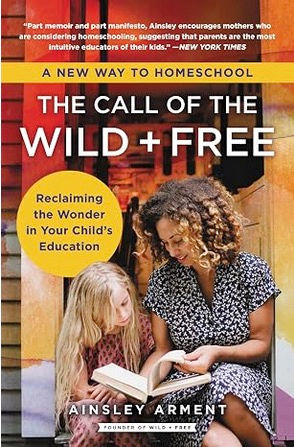
Like The Brave Learner, this one isn't a rigid method — it's more of a philosophy and a feeling. It leans heavily into nature, wonder, and the idea that childhood itself deserves protecting. If the outdoors and unhurried exploration are part of what's drawing you to homeschooling, this book will feel like it's speaking directly to you.

This one's a bigger commitment, and I'd genuinely wait to pick it up until after the first two. Charlotte Mason's original series (six volumes total) is the foundation of one of today's most widely used homeschool methods — and while I personally lean into her approach, that doesn't mean it's the right fit for you. Read the first volume, sit with it, and see how it feels. You already know your why by this point, so trust yourself to know whether this resonates.
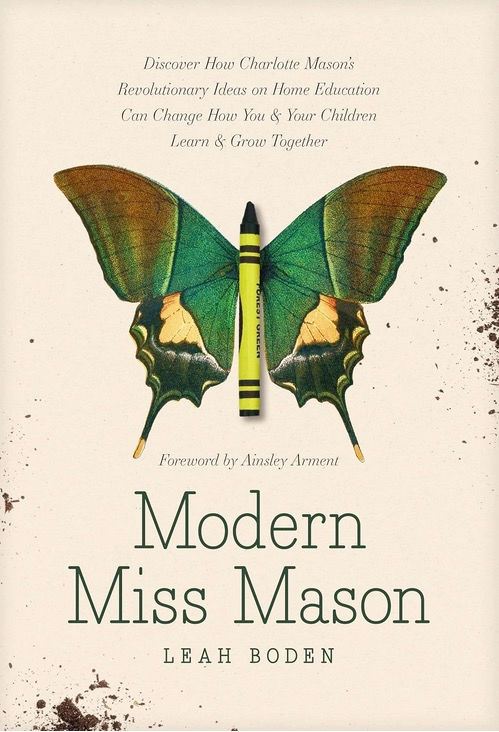
Want something that brings Charlotte Mason a little closer to modern life? Pick up Modern Miss Mason by Leah Boden — it carries the same spirit but eases you in a bit more gently than the original text.
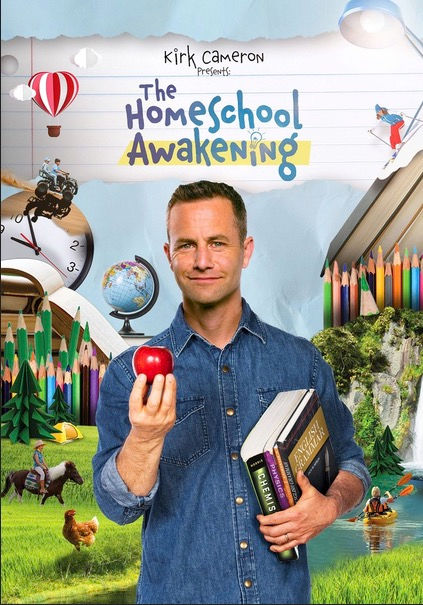
One more resource worth your time:
Kirk Cameron Presents: The Homeschool Awakening, a documentary that's especially good for someone brand new to the idea of homeschooling — it walks through what homeschooling actually looks like day to day, straight from the families living it.
The Questions Everyone Will Ask You
Every homeschool mom faces the same handful of questions, over and over: What about socialization? Are you going to homeschool through high school too? Will he have friends? Is she going to turn out "weird"?

Here's what I want you to understand about these questions: most people asking them have no real picture of what homeschooling actually looks like day to day. They're working off outdated assumptions, not your actual life. As you keep reading and keep talking to other homeschool moms, you'll find that nearly every one of these questions resolves itself with a little more information.
That said — if a specific worry genuinely nags at you (say, "will my son really make friends?"), don't brush it off. Research it. Ask other homeschool families how they've handled it. In my experience, there's not a single one of these common worries that doesn't soften once you've actually looked into it. And if, after all that research, you're still not satisfied with the answer — that's useful information too.
One more honest note: be careful comparing your homeschool (or your family) to anyone else's. Everyone is at a different stage, with a different vision and a different why. That's exactly why we started there.
Deeper dive in this topic, when you're ready:
Your First Assignment: Test the Waters
Here's a small, low-pressure task if you've decided you're homeschooling, or you're strongly leaning that way: pay attention to how you bond with your child in a learning setting — before you commit to a full curriculum.
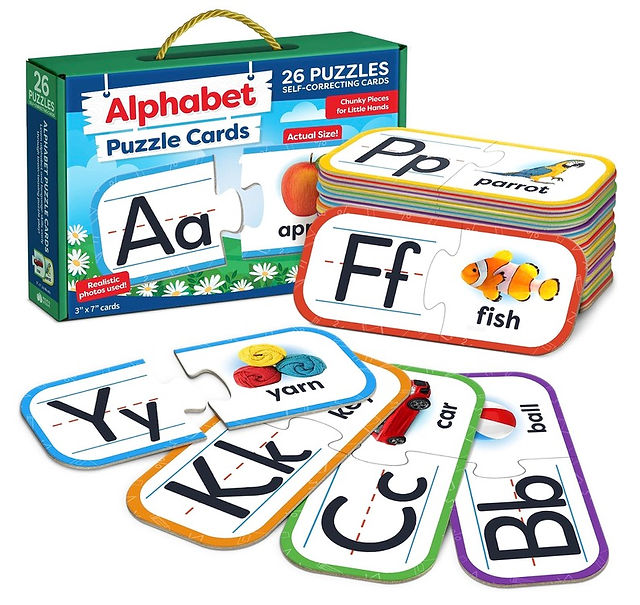
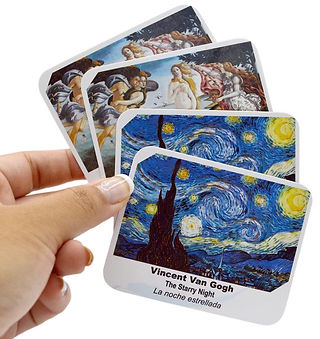
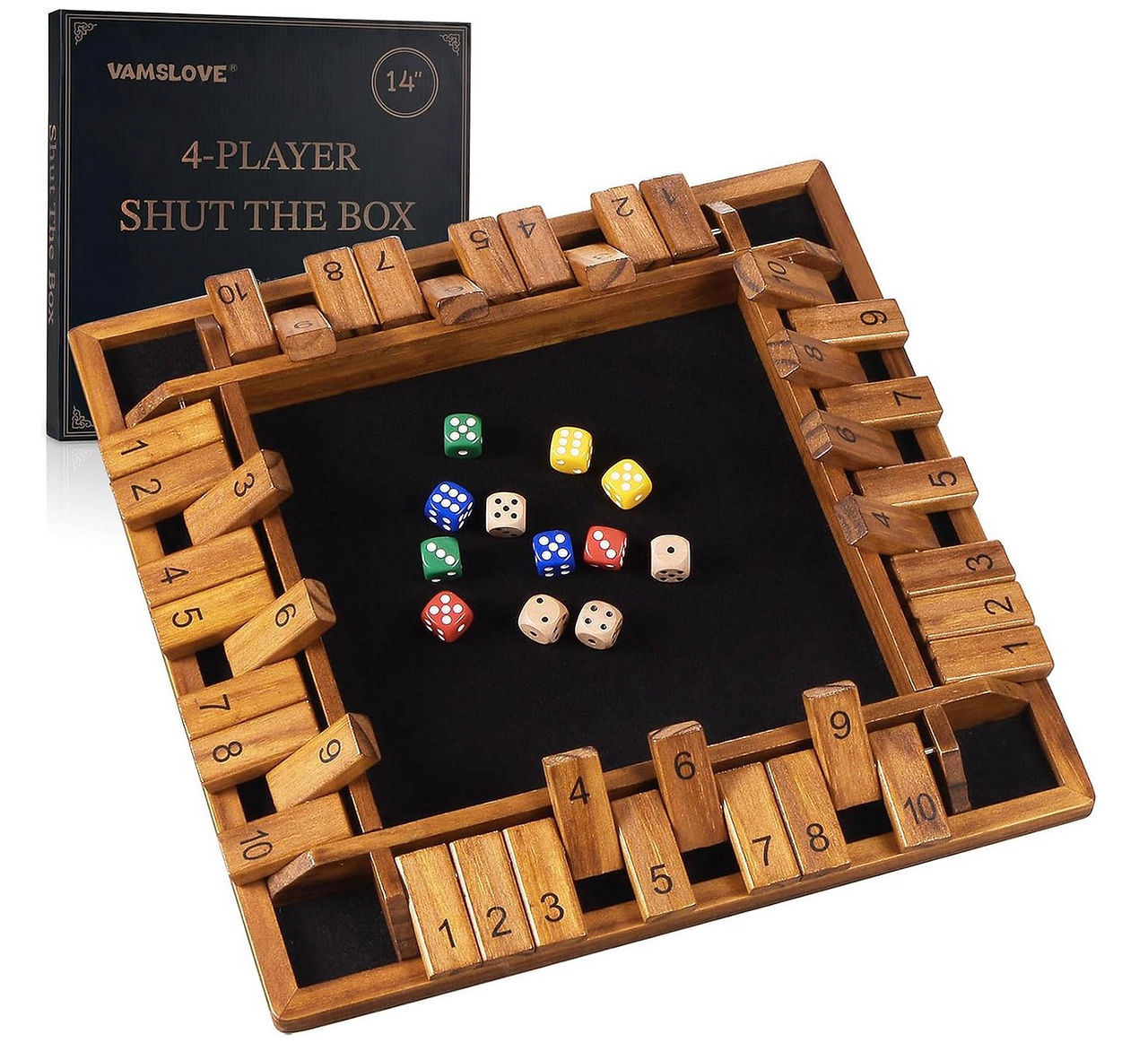
This isn't about worksheets. Pick something new you haven't done together before, sit down with a loose educational goal in mind, and just see how it feels. A few easy starting points:
A game or activity centered on famous paintings to gently introduce art appreciation
A simple geography game or map activity, where you narrate a little as you go
A nature walk with a nature journal, so your child starts recording what they notice
A field guide and a magnifying glass, examining trees, leaves, or bugs together
I wrote some posts about educational games, you can pick something from here:
Don't worry about curriculum yet — that comes later. Right now you're just testing something simpler: do you enjoy teaching your child in a setting like this? Do they light up, or shut down? This assumes a younger, preschool-to-early-elementary child; if you're considering pulling an older child out of school, the same idea applies — just pick an activity suited to their age instead of basic letters and shapes.
👉 A few easy starting points to explore to head out on an educational hike: Take a nature journal for kids, field guide on cool birds, and a simple kids' magnifying glass. Watch the magic unfold.
Where This Leaves You
Homeschooling doesn't start with a curriculum purchase or a perfectly color-coded schedule. It starts with your why, a little honest research, a few conversations with women who've been exactly where you are, and one small moment of just trying it out with your own kid.
You don't need to have it all figured out today. You just need to keep taking the next small step — and it sounds like, by reading this far, you already have.
Affiliate disclosure: This post contains Amazon affiliate links. If you click through and make a purchase, I may earn a small commission at no extra cost to you. Everything I recommend is something I've personally read, used, or would hand to a friend asking me exactly this question.


Comments