
What I Look for Before a Children’s Book Earns a Spot on Our Shelf - With Free Printable Checklist

Updated: Oct 13

There are so many children's books out there, and most of them are garbage.
I say that with a heavy heart, because I love books. I love reading to my kids, wandering the library and the bookstore, touching the covers, and collecting more than I should. But finding the good ones is not easy.
I previously discussed the significance of read-alouds, and now I would like to delve deeper into how to make excellent choices for these sessions.
So I started asking myself:
"what actually makes a good read aloud?"
I went through our favorites and broke them down. Here's what I found.
1. Look at the illustrations first
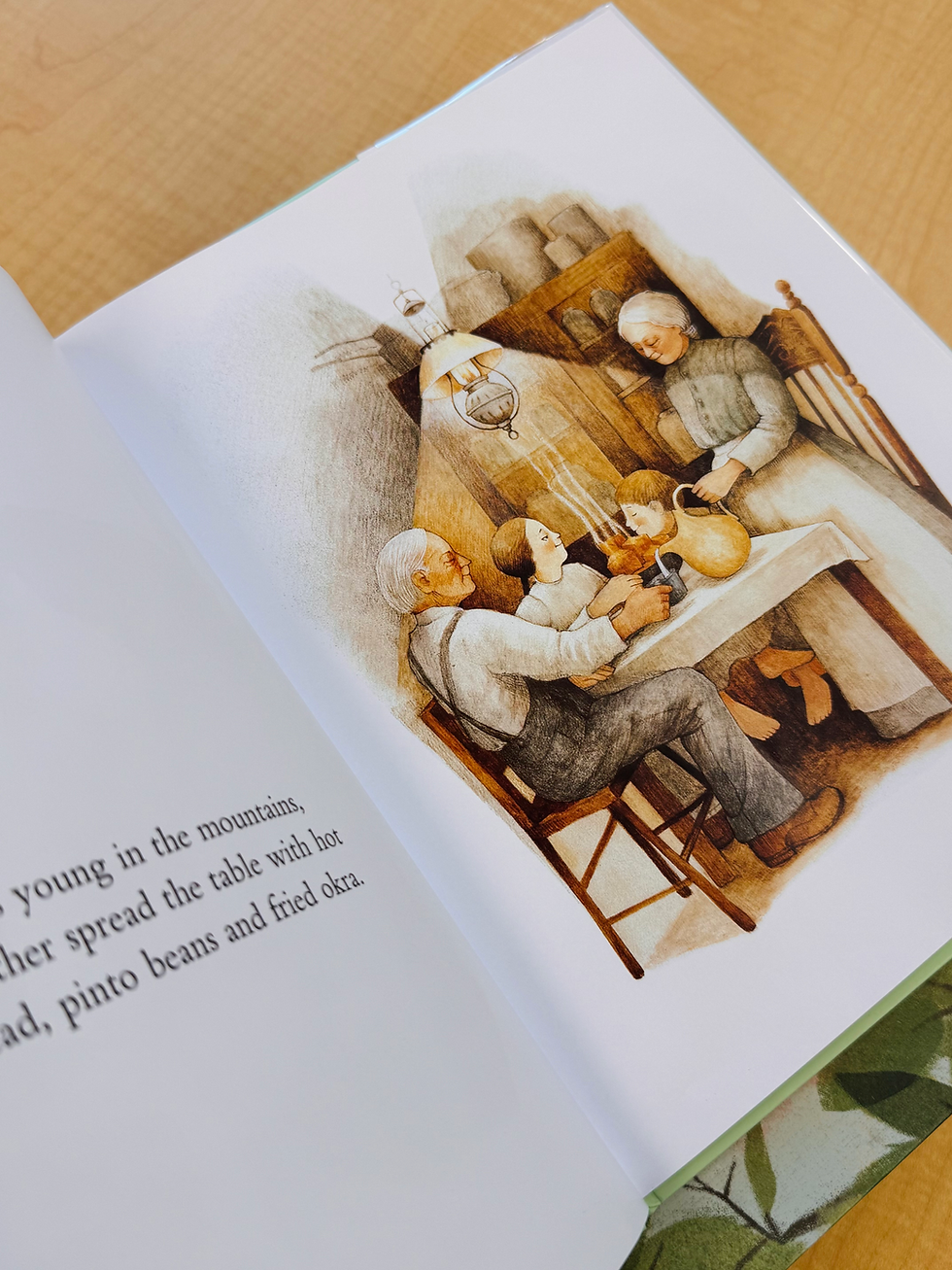
Kids look at the pictures long before they follow the words, and honestly, so do we. If the art is ugly, sloppy, or scary, it doesn't matter how wonderful the story is. Your child will be staring at those images the whole time.
Good illustrations are a joy to look at and tell part of the story themselves. If the book has people in it, they should look like people. Watch for oversized cartoon eyes, blank stares, or faces that all look identical. (Look at AI-generated children's art: most faces have no real emotion.) How will kids learn what comfort, excitement, or disappointment look like if they never see it in their favorite books?
2. Read the first page
If the first page grabs you and you want to keep going, that's your answer. A good story leads somewhere, sparks curiosity, and is simply well written. Don't overthink it. A well-written story makes you want to keep reading.
3. Check the grammar
You'd be surprised how many published books contain incorrect grammar. When you read aloud, you're shaping your child's vocabulary and sentence structure, long before language arts or creative writing ever begin. Beautiful art and a sweet story can't make up for bad grammar.
4. Choose vocabulary that stretches, but doesn't snap
I don't mean dictionary words. The book should be just a tiny bit challenging for your child. With my son, we often stopped at words he didn't know and talked about them, and he learned so much that way.
Too difficult, and kids lose interest. But too simple is a problem too. So many books are repetitive and watered down, as if kids can't handle a richer story. They can. Kids are not stupid. They need books that give them better words, more words, and beautiful stories to grow into.
5. Look for a quiet value

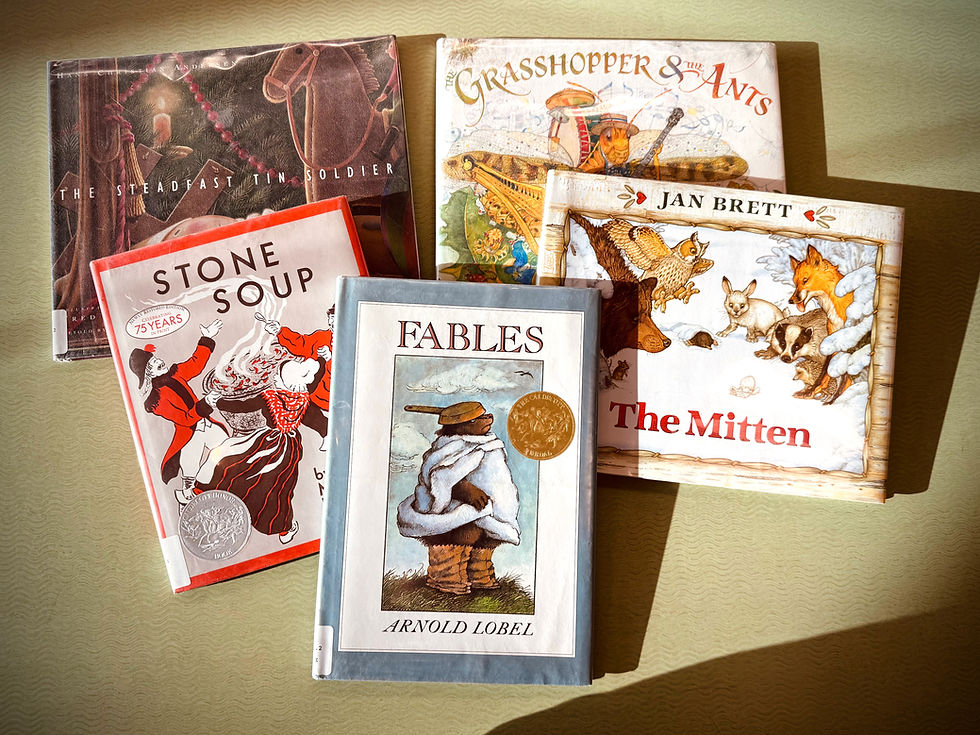
The best books teach kindness, loyalty, or courage without announcing it. Older fairy tales and fables do this beautifully: they show you the characters' actions and the consequences, and let the lesson sink in. You may need to look for it as the adult, but it should be there.
6. Does it feel good?
Put it all together and add one more test: the book should make you feel good, whether through how it feels in your hands, a character you love, or the subject itself. Kids sense when you're enjoying it. There are a few books on our shelves I secretly root for at bedtime. "Want to hear this one again?" I ask, with a little too much hope.
My quick checklist
Do the illustrations look good, and do the faces show real emotion?
Does the first page make me want to read on?
Is the grammar correct?
Is the vocabulary slightly challenging, not dumbed down?
Is there a quiet lesson in the story?
Do I enjoy reading it?
If a book passes most of these, it's worth a spot on your shelf.
Want this checklist in your pocket?

I turned these six questions into a free printable checklist you can bring to the library or bookstore, or tuck inside your read-aloud basket. Print it once, and you'll know within minutes whether a book deserves a spot on your shelf.
Ready to browse? Start here
I've already done the digging. Every book in these guides passed the test above, and I recommend all of them:

Pick the age group that fits your family, and you'll find books I'd happily read to my own kids tonight.
Read-aloud time is one of the easiest ways to create traditions, bond with your kids, and have fun together. A great book just makes it easier.
Disclosure: Some links in my guides are Amazon affiliate links. If you buy through them, I may earn a small commission at no extra cost to you. I only recommend books I truly love.
Comments